
Custom Software
FROM INITIAL ROADMAP DISCOVERY AND ARCHITECTURAL DESIGN TO AGILE SPRINT EXECUTION, QUALITY ASSURANCE, AND PRODUCTION DELIVERY
The software your business needs but can't buy

Most companies have a few operations that no product on the market handles properly. They end up running on spreadsheets, copy-paste and whatever one experienced person remembers to check. Those are the parts we build software for, so the process lives in a system instead of in someone's head.
Four signs it's time
Custom software isn't always the right call, and we'll tell you when it isn't. But if two or more of these sound familiar, you're probably already paying more in licences and manual hours than a build would cost.
A person is the integration
Someone exports data from one system every morning and pastes it into another. That’s a job for software, and right now a person is doing it.
The tool almost fits
You pay for a platform and then work around it with custom fields, side spreadsheets and a plugin someone has to maintain. At that point the workarounds are the real system.
Nobody trusts the numbers
Four reports disagree, so half the meeting goes on deciding which one to believe.
Growth costs headcount
Doubling volume means hiring twice as many people to do the same manual steps.
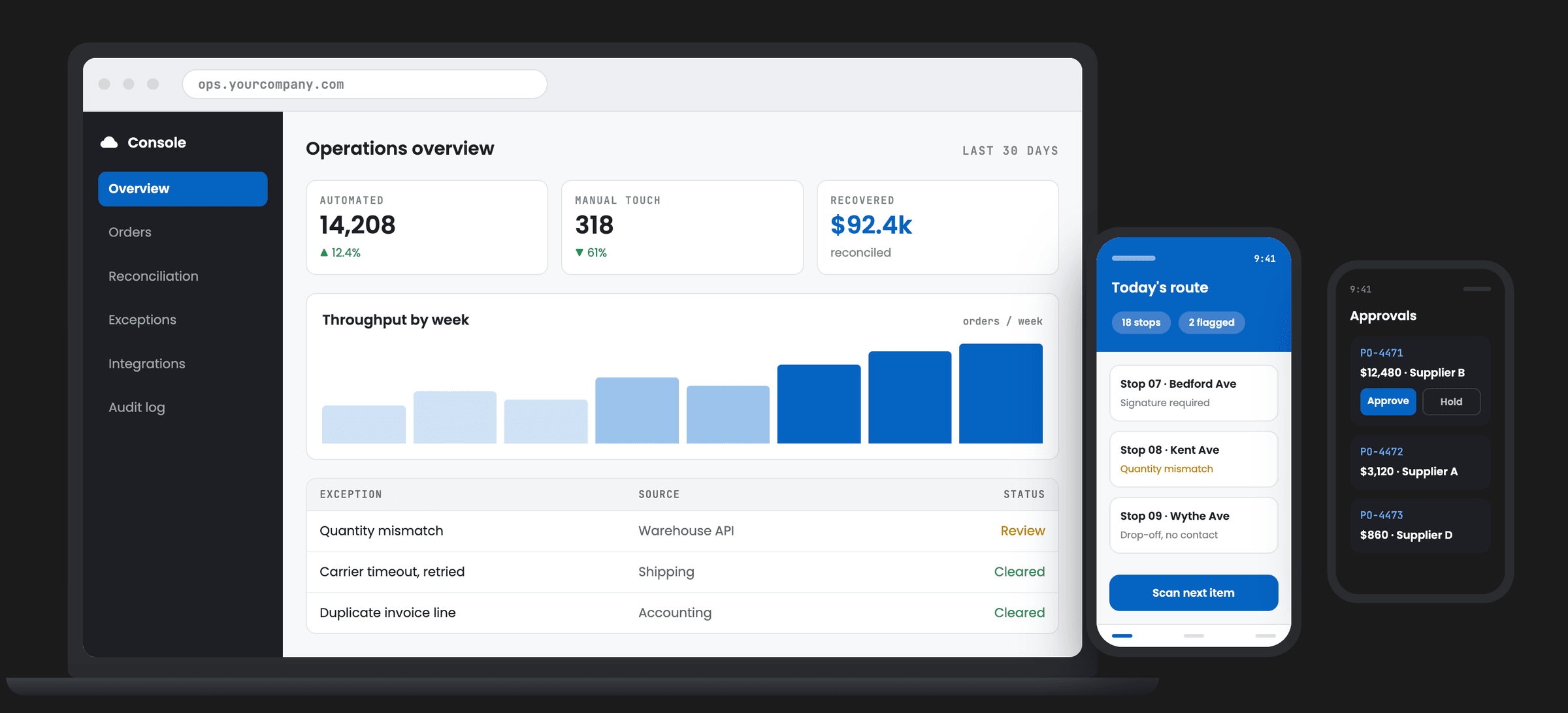
One system, at the desk and in the field
Usually it's a web console for the people running the business and a phone app for the people out doing the work. Same data, same permissions, one system behind both.
iOS & Android
Six kinds of custom work
Projects usually start in one of these and end up touching two or three. We scope the first one properly and tell you what can wait.
Internal platforms & portals
Order handling, approvals, fulfilment, client portals — the back-office systems a company runs on. These usually replace a pile of spreadsheets and three separate logins.
Most common starting pointMobile apps for the field
iOS and Android for drivers, technicians, warehouse staff, and owners who want to approve things from a phone. They work with a patchy signal, handle barcode scanning, and use the same permissions as the console.
Marketplace & e-commerce tooling
This is where we started: reimbursement recovery, inventory reconciliation, profit reporting and day-to-day operations on Amazon, Walmart, eBay and the rest.
Amazon & Walmart approvedAI & process automation
Email handling, document processing, classification, approval flows. Individually small tasks, but together they take up most of a team’s week.
Custom ERP & Odoo
ERP for businesses whose operations don’t fit anyone’s standard configuration: staffing, logistics, custom manufacturing, field service.
Data, analytics & integrations
Pipelines and reconciliation so there’s one set of numbers everyone uses, plus connections to the systems you’re keeping: accounting, WMS, carriers, CRM. With retries and logging, because these integrations fail in production and you need to know when.
You use the product before we build it
No open-ended billing, and no guessing what you're paying for. Every phase ends with something you can look at, and by the third one you're clicking through a working version.
Two people can read the same specification and picture different products. A demo settles that in an afternoon. We'd rather spend two weeks building one than another month writing documents everyone interprets differently.
Discovery call — free
Thirty minutes on what your team does by hand. You’ll know by the end whether custom software is worth it — including if the answer is no, or not yet.
Roadmap discovery & architecture
We map how the process actually works, agree what the first version has to do, and write it down: architecture, integrations, milestones, estimates. You keep that document whatever you decide next.
AI prototyping — a working demo
Days, not monthsWe use AI tooling to put together a clickable version of the main flows: real screens, real navigation, sample data. Your team uses it, tells us what’s wrong, and we change it while changing it is still cheap.
This is where most of the risk goes out of the project. The prototype becomes the spec for the real build, so the fixed price is quoted against something you’ve already seen and approved.
Fixed-price build in sprints
Two-week sprints, each ending with something that works, replacing prototype screens with production ones. The same developer and project manager throughout — no rotating pool of contractors, no handover you hear about afterwards.
Quality assurance & launch
Testing, deployment, data migration, training for the people who’ll use it, and documentation written so the next engineer can follow it.
Support that stays
Most of our clients came to us through a referral, and that only keeps happening if the software keeps working. We maintain and extend what we build.
Five things we don't skip
Architecture sized for growth
We design for the volume you expect in three years, not the volume in the demo. Most performance problems are decided at this stage, long before anyone notices them.
Authentication and data access
Roles and permissions modelled properly, credentials kept out of the front end, API access scoped. Amazon and Walmart both audited us on this before approving us.
Tests and error handling
So the system can still be changed safely a year from now. When something fails it gets logged and retried, and someone finds out.
Documentation and ownership
You own the repository and the deployment. A new engineer, ours or yours, can pick it up and understand it.
No platform lock-in
Standard stacks and portable code. It runs in your own cloud account and keeps running if you change vendors, including if you change us.
Already built something with Lovable, Replit, Bolt or v0 that works in a demo but not with real users? We do that as a fixed-fee audit and give you a written plan for getting it to production.
Production-readiness auditProduction-readiness auditThree ways to work with us
Which one fits depends on how well the problem is understood. Most clients start with the first and move to the second.
Discovery & prototype
A fixed fee to map the process, write the technical plan and build the clickable prototype. It’s yours to keep even if someone else builds the production version.
Best when you know the problem but not what the solution should look like.
Fixed-scope build
Agreed deliverables, agreed price, two-week sprints. You know the number before we start, and the scope only changes when you ask for it.
Best when the first version is agreed and you want a firm number.
Dedicated capacity
A monthly block of engineering hours for a system that keeps growing: maintenance, new integrations, the next set of features, with the same people.
Best when the system is live and there’s always a next thing to build.
The ones that come up first
A clickable prototype within days of finishing scoping. First production versions usually ship in eight to sixteen weeks. If anyone quotes you a build before asking how your process works, that number is made up.
No, and we’re upfront about it. It’s a demo that proves the flows and settles the arguments. The production build has to hold real users, real data and real security, which is a different piece of work.
Yes: the repository, the deployment and the data. Standard stacks, no proprietary runtime, nothing that stops working if you stop being our client.
That’s most of the work. Accounting, WMS, marketplaces, carriers, CRM — we integrate what’s working and only replace what’s holding you back.
Our own engineers. Twenty-six on the core team, several with more than ten years behind them. We use AI in how we work, but the people responsible for the result are still people.
Sometimes you should, and we’ll say so on the call. An internal form, a script, a dashboard two people look at — build that with Lovable or Replit and keep the money. We use the same tools ourselves; that’s what step three is.
It changes once the thing becomes something the business depends on. Generated code usually works and is usually insecure, and on screen the insecure version looks exactly the same.
Then there’s everything a demo doesn’t show: a data model that still works at ten times the volume, integrations that cope with a carrier API going down at 2am, and someone who answers the phone when invoices stop generating on a Friday. That’s what you’re paying us for.
Already built something with AI and got stuck? That’s how most of our clients arrive now, and it isn’t a failure — you proved the idea cheaply. We’ll audit it for a fixed fee and write up what it takes to get it to production.
Get it auditedGet it auditedCase Studies
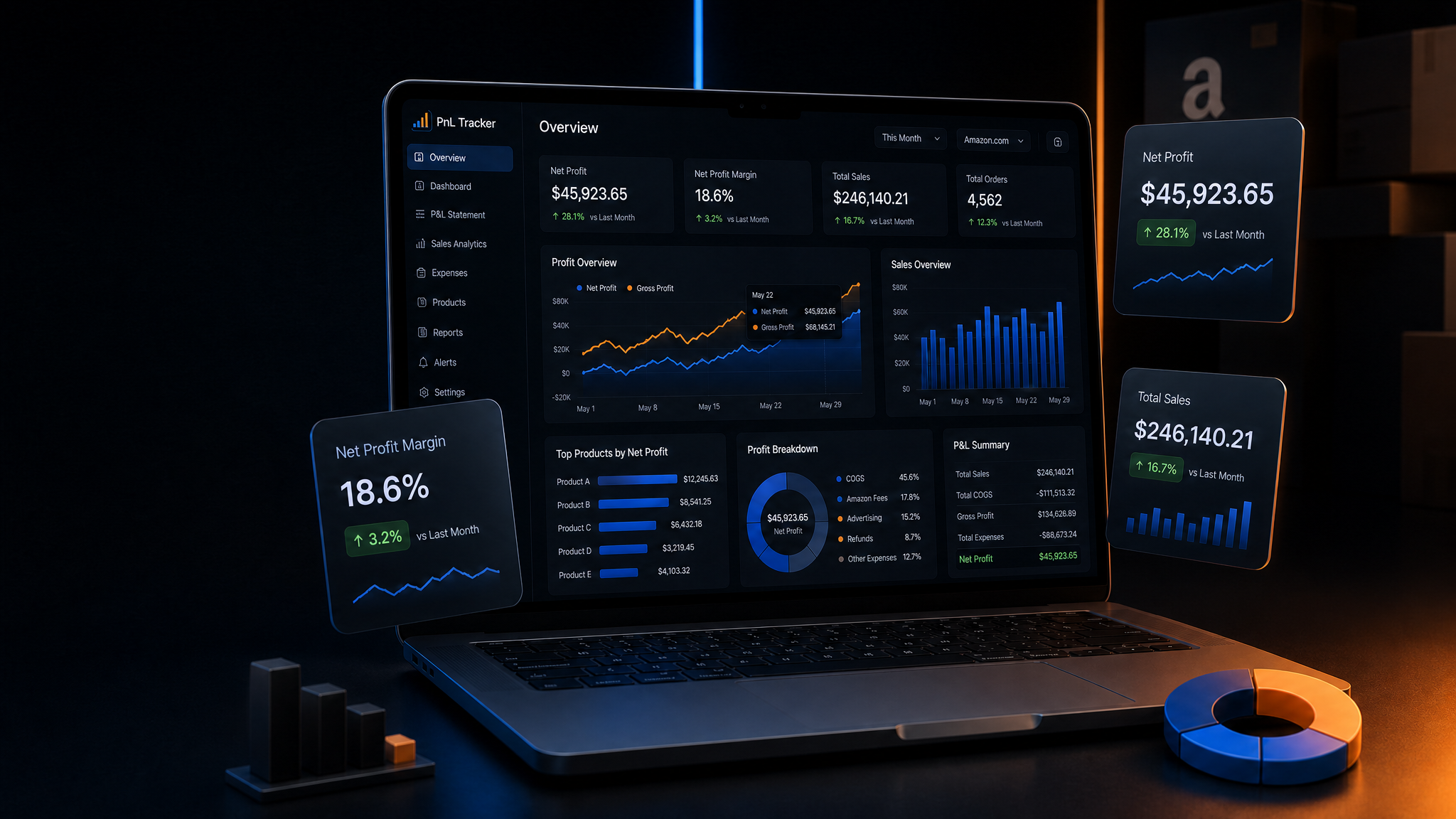
Amazon PnL Tracker – Multi-Account Profit Intelligence Platform for Amazon Sellers
Full-stack analytics and operations platform built for Amazon sellers, centralizing orders, settlements, fees, ads, and inventory signals into near-real-time P&L visibility.
Results
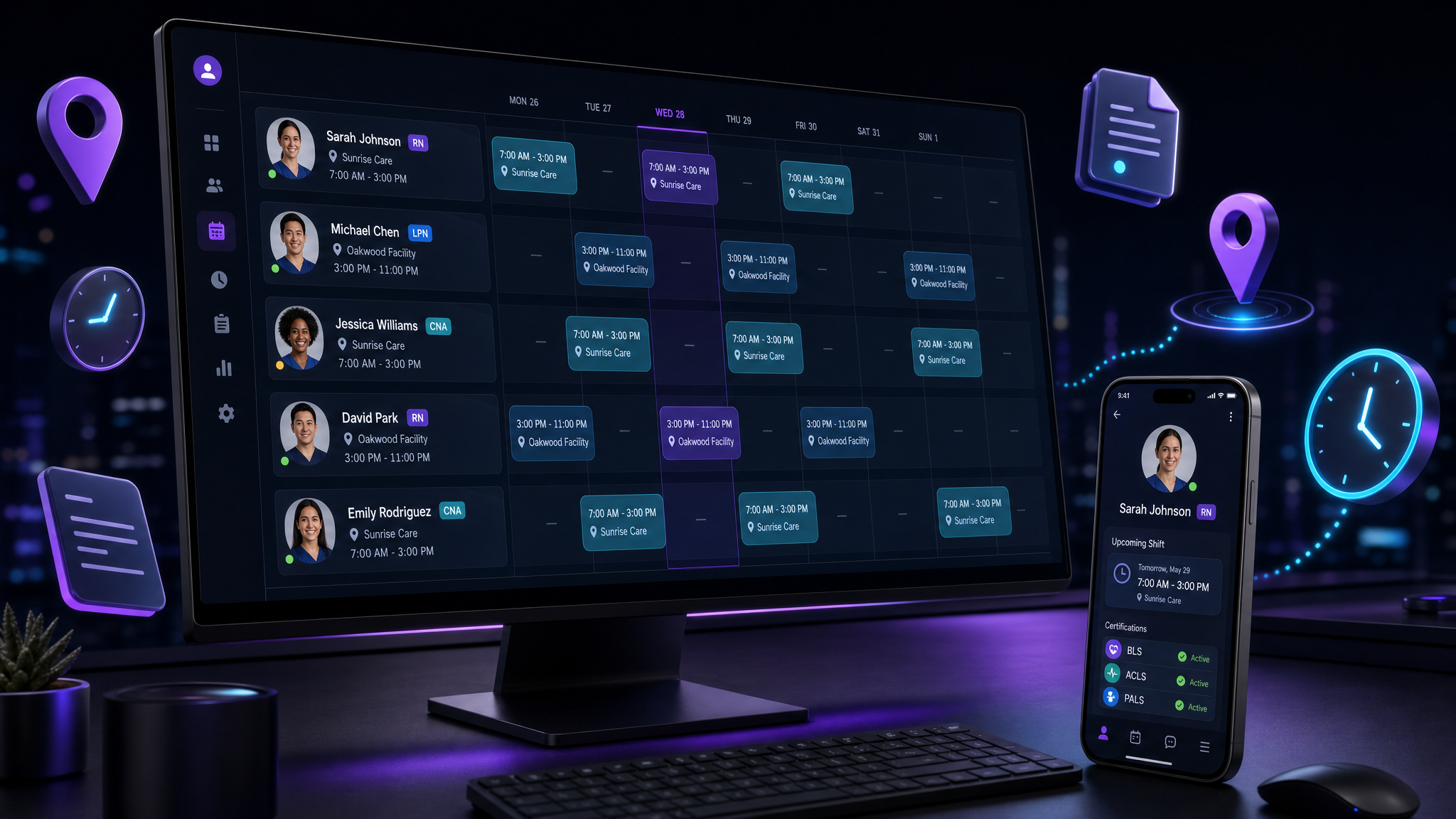
Staffing Platform – End-to-End Workforce Operations System for Facility Staffing
Customized Odoo-based workforce management product designed for high-volume healthcare and facility staffing, matching worker demand with open shifts and compliance rules.
Results
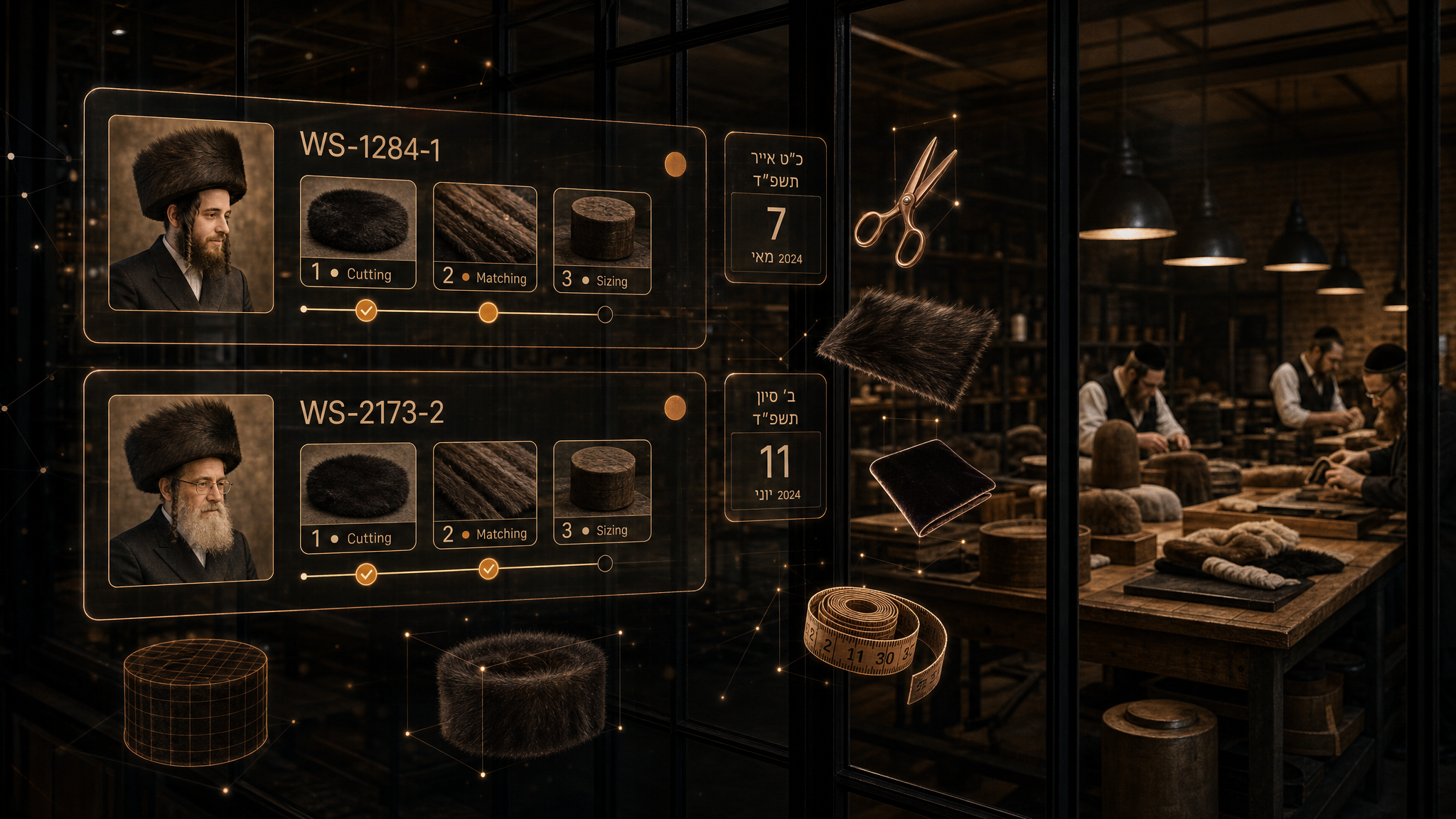
Shtreimel System – Vertical ERP for Custom Shtreimel Order Operations
A domain-specific ERP on Odoo 19 for custom shtreimel manufacturing, uniting wedding-driven demand, artisan workshop queues, Hebrew calendar intelligence, and Cardknox payments.
Results
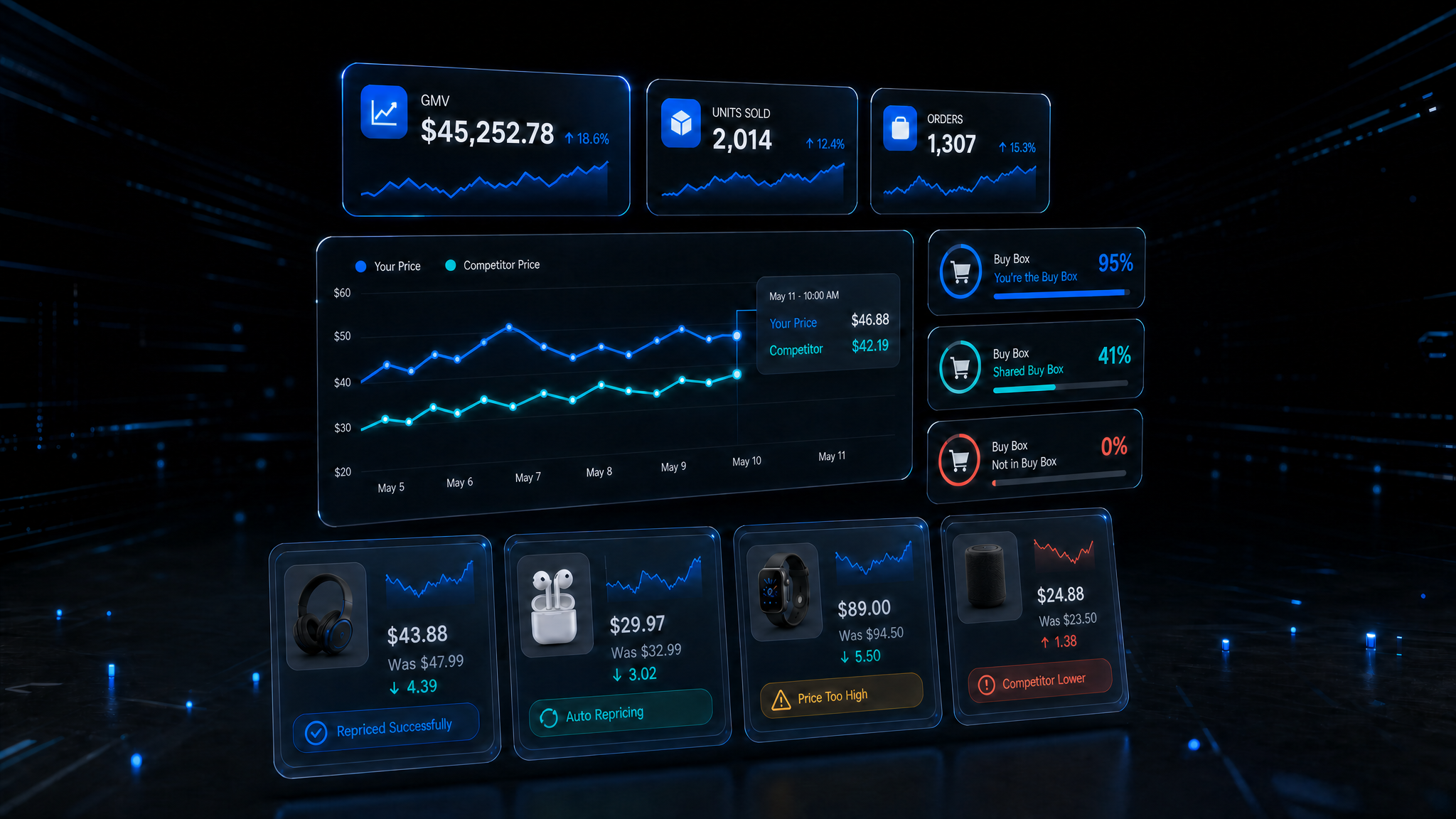
Walmart Repricer – Automated Buy Box Price Optimization Tool
Dynamic automated repricing engine for Walmart marketplace sellers to maximize Buy Box visibility, optimize profit margins, and prevent listing unpublishing.
Results
Ez Cloud has built custom software and automation for e-commerce and marketplace businesses since 2013. We build systems that fit how you actually work.
Jacob Rottenberg
CEO & FOUNDER
Start Your Project
Tell us about your workflow and what needs to change. We’ll review your request and email you to discuss scope and next steps.