Odoo ERP Built Around How Your Business Actually Operates
We design, customize, migrate, and support Odoo for manufacturing, inventory-heavy, and operationally complex businesses. Standard Odoo where it fits. Custom Python engineering only where your workflows require it.
Odoo expertise backed by more than a decade of custom software engineering

Our Odoo practice grew out of years of building custom operational software, integrations, automation, and data-heavy business systems.
Today, we actively develop and support two substantial production Odoo platforms. Both include custom Python modules, complex business workflows, external integrations, and ongoing engineering after launch.
Built for real manufacturing workflows, not demo scenarios
Shtreimel Manufacturing ERP — Odoo 19: A custom manufacturing platform connecting order intake, production queues, multi-location inventory, serial and lot tracking, barcode-driven warehouse transfers, payments, and operational workflows in one unified Odoo system.
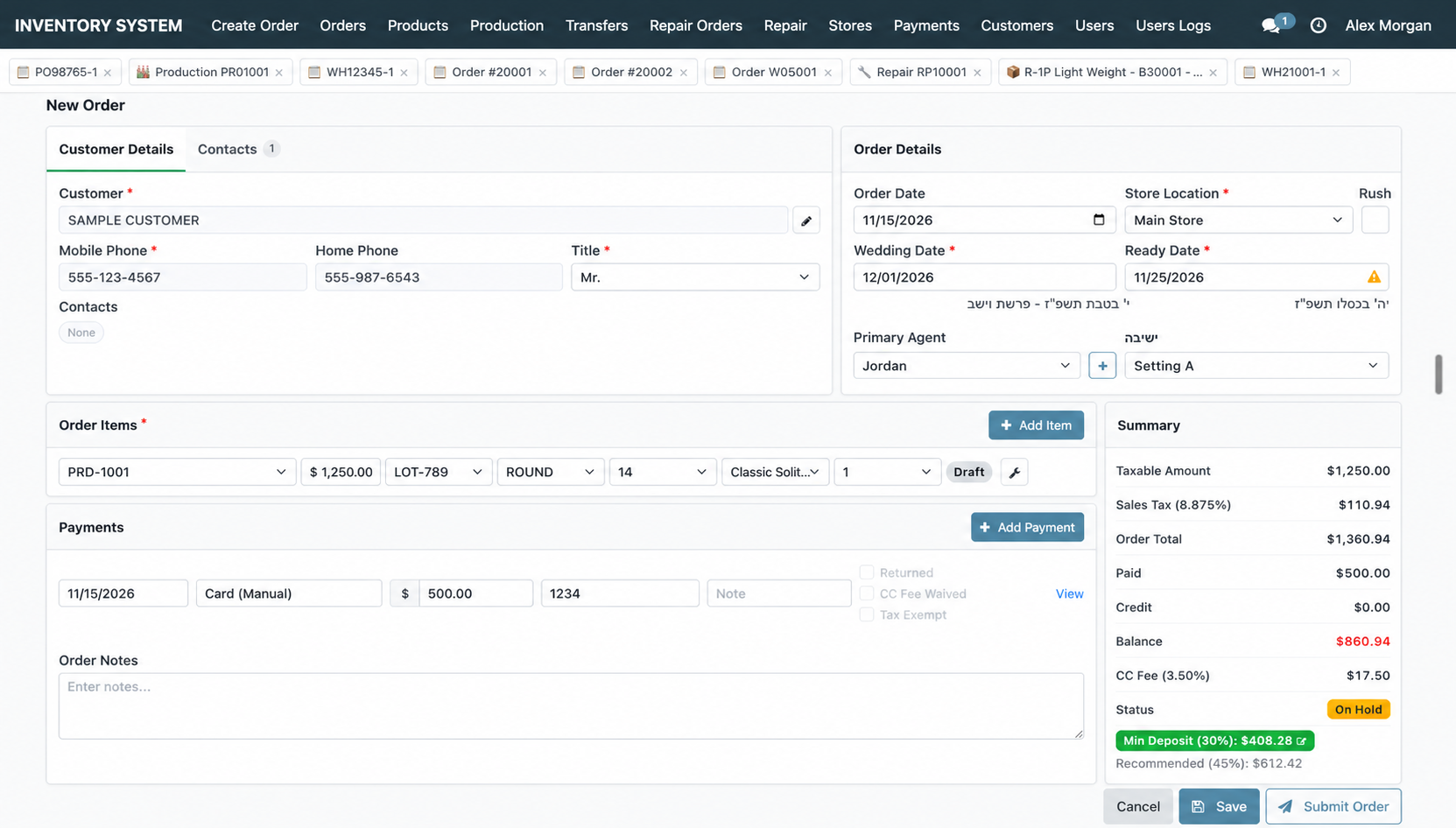
Production queue and order workflow from the live Odoo implementation.
Where Odoo starts to make sense
If several of these problems are familiar, the issue is usually not the lack of another software tool. It is that operational logic is spread across systems that were never designed to work together.
The spreadsheet bridge
Teams export orders, inventory, or financial data from one system and re-enter it into another. The process works — until transaction volume, locations, or product complexity grows.
Your software dictates the workflow
Standard tools cover most of the process, but important approvals, production rules, pricing logic, or warehouse movements still happen outside the system.
Growth creates administrative work
Higher order volume, additional warehouses, or new sales channels require more manual coordination instead of being absorbed by automation.
Nobody trusts the numbers
Inventory, sales, purchasing, and accounting reports disagree because each system maintains its own version of the same operational data.
We stay accountable after go-live
ERP becomes operational infrastructure. Support, deployment ownership, monitoring, and future development should be planned before the system goes live — not after the first production issue.
Continuous Sprints
Named Technical Lead
Your project has a named technical lead who understands the architecture, business workflows, integrations, and deployment process throughout the engagement.
Production Operations & SLA
Staging, backups, monitoring, deployment workflows, and incident response are defined according to your hosting model and agreed support SLA.
Continuous Odoo Development
As operations evolve, we can extend the same platform with new workflows, reports, integrations, locations, or custom modules without rebuilding the ERP from scratch.
Odoo modules tailored to your operations
We start with standard Odoo functionality wherever it fits. Custom development is introduced only for workflows, integrations, or operational rules that standard modules cannot cover cleanly.
Manufacturing, MRP & Shop-Floor Workflows
Bills of materials, manufacturing orders, work centers, routing, material availability, production queues, serial and lot traceability, and custom shop-floor workflows.
Inventory, Warehousing & Barcode Operations
Multi-location inventory, warehouse transfers, receiving, picking, replenishment, serial and lot tracking, barcode workflows, and custom inventory movement rules.
Custom Odoo Modules & Business Logic
Maintainable Python add-ons for business rules, approvals, custom models, views, automation, reporting, and workflows that do not fit standard Odoo configuration.
Third-Party Systems & API Integrations
Reliable integrations with marketplaces, payment systems, carriers, accounting platforms, internal services, and partner APIs with logging, retries, and operational error handling.
Multi-Channel E-Commerce & Marketplace Sync
Two-way synchronization with Amazon, Walmart, Shopify, eBay, and custom B2B portals for unified product catalogs, inventory levels, and order fulfillment.
Custom Accounting & Financial Synchronization
Tailored charts of accounts, multi-currency ledgers, automated bank reconciliation, custom tax engines, and financial data exchange with external accounting software.
Structured Data Migration & Validation
Structured extraction, mapping, cleansing, and import of customers, vendors, products, inventory, balances, and historical data validated through dry runs and reconciliation reports.
Odoo Hosting, DevOps & Upgrade Support
Production and staging environments, CI/CD, backups, monitoring, performance tuning, deployment procedures, and support for Odoo version upgrades on Odoo.sh or dedicated cloud infrastructure.
Engineering controls designed to reduce ERP rollout risk
ERP migrations carry real operational exposure. We put standard engineering safeguards in place early to ensure predictability before cutting over live business operations.
Staging before production
Custom modules, migrations, and integrations are tested outside the production environment before release.
Migration rehearsals
Repeatable dry runs expose data mapping and reconciliation issues before the final cutover.
User acceptance testing
Key users validate real operational scenarios against agreed acceptance criteria.
Reconciliation
Critical inventory and financial data is compared against source systems before launch.
Cutover & rollback plan
Production launch has documented responsibilities, verification steps, and rollback conditions.
Post-launch hypercare
The engineering team remains involved while the new workflows stabilize in production.
How custom Odoo compares to alternatives
Odoo is not the right ERP for every company. It is especially strong when a business needs a broad standard ERP foundation together with the ability to extend operational workflows in Python. The right choice depends on process complexity, compliance requirements, existing systems, internal IT capabilities, and total cost of ownership.
| Area | Custom Odoo with EZ Cloud | Traditional Enterprise ERP | Multiple SaaS Tools |
|---|---|---|---|
| Workflow flexibility | Standard Odoo plus custom Python modules where needed | Usually configuration within vendor-specific frameworks | Limited to features exposed by each product |
| Code ownership | Client owns custom modules delivered under the SOW; business data remains client-controlled | Depends on vendor and implementation agreement | Application source code is typically vendor-owned |
| Licensing | Depends on Odoo edition, hosting, users, and selected apps; custom engineering is scoped separately | Vendor-specific licensing plus implementation/support costs | Multiple independent subscriptions |
| Integrations | Custom APIs and integration services can be built around operational requirements | Often supported through vendor connectors or implementation partners | Usually dependent on available APIs and third-party connectors |
| Deployment | Odoo.sh or dedicated cloud infrastructure depending on requirements | Vendor cloud, private cloud, or enterprise deployment model | Vendor-hosted SaaS |
| Ongoing engineering | Named engineering team can continue developing the same codebase | Usually handled through internal teams or implementation partners | Limited to configuration and supported extensions |
A controlled path from discovery to production
ERP projects become risky when scope, data quality, ownership, or acceptance criteria remain unclear until late in development. Our process validates workflows and migration assumptions before production cutover.
Before production launch, we validate critical workflows, run migration dry runs, reconcile agreed financial and inventory data, and document the cutover and rollback procedure.
Operational Discovery & Fit-Gap Analysis
We map current workflows, users, approvals, inventory movements, manufacturing rules, integrations, reporting requirements, and known operational pain points.
The result is a documented fit-gap analysis showing what standard Odoo can cover and where configuration, integration, or custom development is required.
Prototype & Workflow Validation
Validation FirstWe configure the core workflows, roles, and representative data in a staging environment so key users can validate how the proposed system will work before deeper customization begins.
Custom Development in Reviewable Sprints
Custom modules, integrations, automation, and reports are delivered in short development cycles and deployed to staging for review.
Progress is demonstrated with working software rather than only status reports.
Migration Dry Runs & Reconciliation
We transform and import agreed legacy data, perform repeatable migration dry runs, and reconcile the results against the source systems using documented acceptance criteria.
Any unresolved differences are identified before final cutover.
Controlled Go-Live & Hypercare
The production cutover follows an agreed checklist covering migration, system verification, user readiness, ownership, support contacts, and rollback conditions.
The engineering team remains available during the post-launch hypercare period to resolve production issues quickly.
Ongoing Support & Product Evolution
After launch, support can include incident response, infrastructure maintenance, Odoo upgrades, performance work, integrations, and continuous development of new operational capabilities.
What you receive before major custom development begins
Your ERP should not depend on keeping one vendor forever
We design custom Odoo work so your company retains operational control of the system. That means maintaining access to the source repository, business data, hosting environment, backups, and project documentation rather than making the implementation dependent on a closed internal platform.
Choose the level of engagement your project actually needs
Whether you need an upfront architectural roadmap, a full end-to-end implementation, or ongoing engineering support for an existing Odoo instance.
ERP Discovery & Implementation Blueprint
A fixed-scope discovery engagement for companies that need to understand the architecture, Odoo fit, migration complexity, integrations, risks, and implementation phases before committing to a full build.
The resulting documentation and agreed deliverables remain available to your team regardless of whether you continue implementation with us.
Best when: Odoo is still being evaluated or the implementation scope is not yet reliable enough for a full project estimate.
End-to-End Odoo Implementation
A phased implementation covering Odoo configuration, custom modules, integrations, migration, testing, training, cutover, and post-launch support.
Best when: Odoo has been selected and the business needs one team accountable for implementation through production launch.
Dedicated Odoo Engineering
Reserved engineering capacity for companies that already run Odoo and need ongoing custom development, integrations, performance work, upgrades, or operational support.
Best when: Odoo is already operational and the system needs to evolve continuously with the business.
Frequently Asked
Questions
Odoo can be a strong fit when a company needs integrated CRM, sales, purchasing, inventory, manufacturing, accounting, and operational workflows while retaining significant flexibility for custom development.
It is not automatically the best choice for every organization. During discovery, we evaluate process complexity, integrations, compliance requirements, hosting, licensing, and long-term ownership before recommending an architecture.
Our Odoo practice is focused rather than high-volume. We currently develop and support two substantial production Odoo platforms: a custom manufacturing ERP on Odoo 19 and a workforce operations platform on Odoo 18.
Both involve custom Python modules, business-specific workflows, third-party integrations, and continued engineering after launch. Our broader software engineering work dates back to 2013 and includes complex integrations, e-commerce operations, logistics, financial systems, and workflow automation.
Not currently. We are actively progressing toward Odoo Partner status. Our current Odoo work is primarily engineering-led: custom Python modules, integrations, data migration, infrastructure, and long-term development of production Odoo systems.
We prefer to be transparent about our current status rather than imply a certification or partnership we do not yet hold.
Custom code always adds upgrade considerations, so the goal is to keep the customization surface as small and maintainable as possible.
We use isolated Odoo add-ons and standard extension patterns rather than modifying Odoo core directly. Before a major Odoo version upgrade, custom modules and integrations are tested against the target version in staging.
We define which data must move, build repeatable transformation rules, run migration rehearsals, and reconcile agreed records against the legacy system before final cutover.
Acceptance criteria and unresolved discrepancies are documented rather than relying on a promise of "perfect" migration.
Your business data remains under your control. Custom modules and project deliverables created specifically for your company are handled according to the ownership terms defined in the project SOW.
We recommend that clients maintain access to their source repository, hosting environment, backups, credentials, and deployment documentation throughout the engagement.
Show us how your operation works today
Bring your current workflow, spreadsheets, ERP pain points, integration list, or migration requirements. We'll identify what standard Odoo can cover, where custom engineering may be necessary, and what should be validated before a full implementation begins.
Case Studies
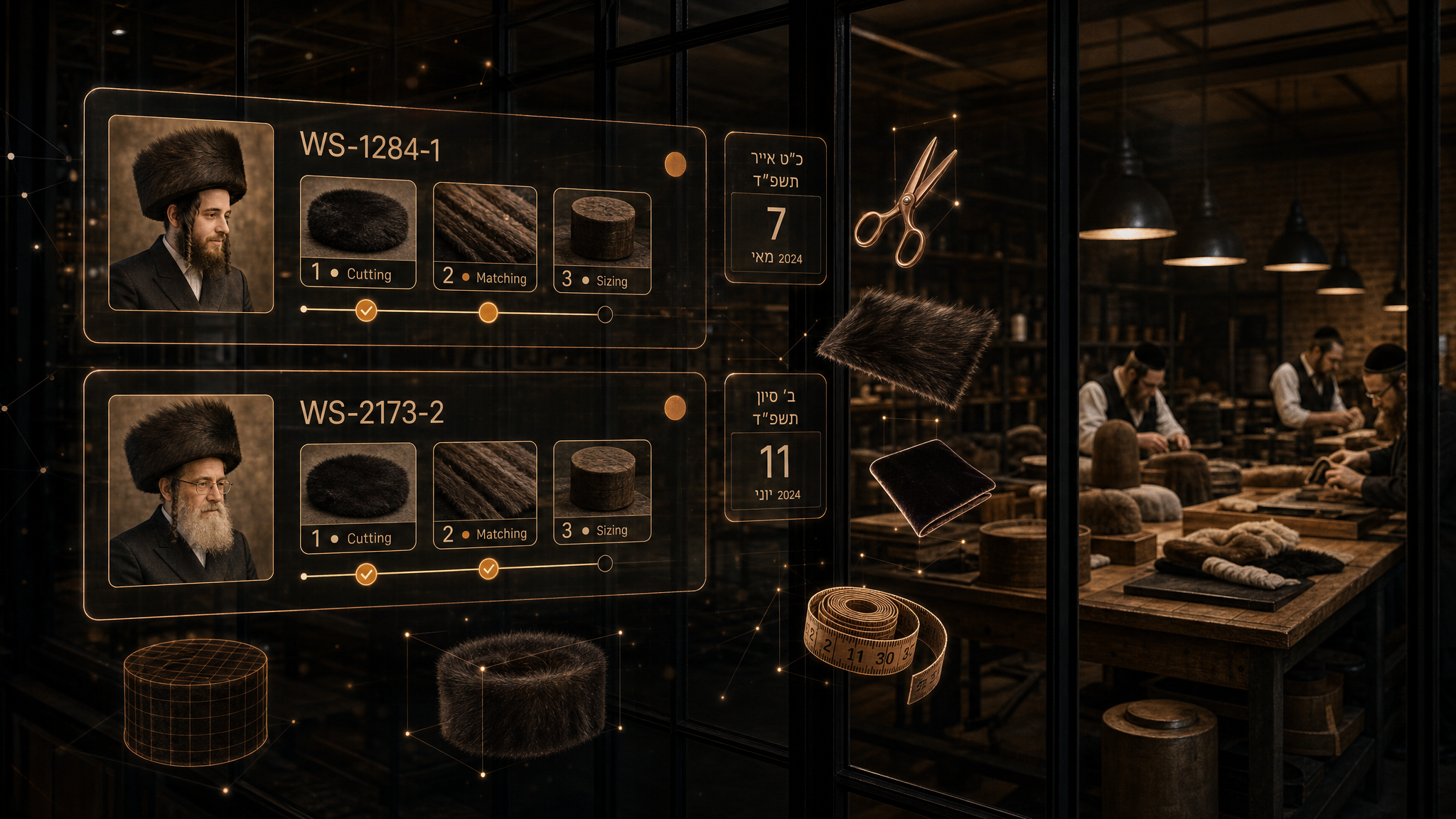
Shtreimel System – Vertical ERP for Custom Shtreimel Order Operations
A domain-specific ERP on Odoo 19 for custom shtreimel manufacturing, uniting wedding-driven demand, artisan workshop queues, Hebrew calendar intelligence, and Cardknox payments.
Results
Velocity System – Automated Amazon Inventory Evaluation Platform for Asset-Based Lending
Full-stack B2B SaaS platform transforming raw Amazon product lists into audit-ready NOLV financial evaluations and sales velocity intelligence for asset-based lenders.
Results

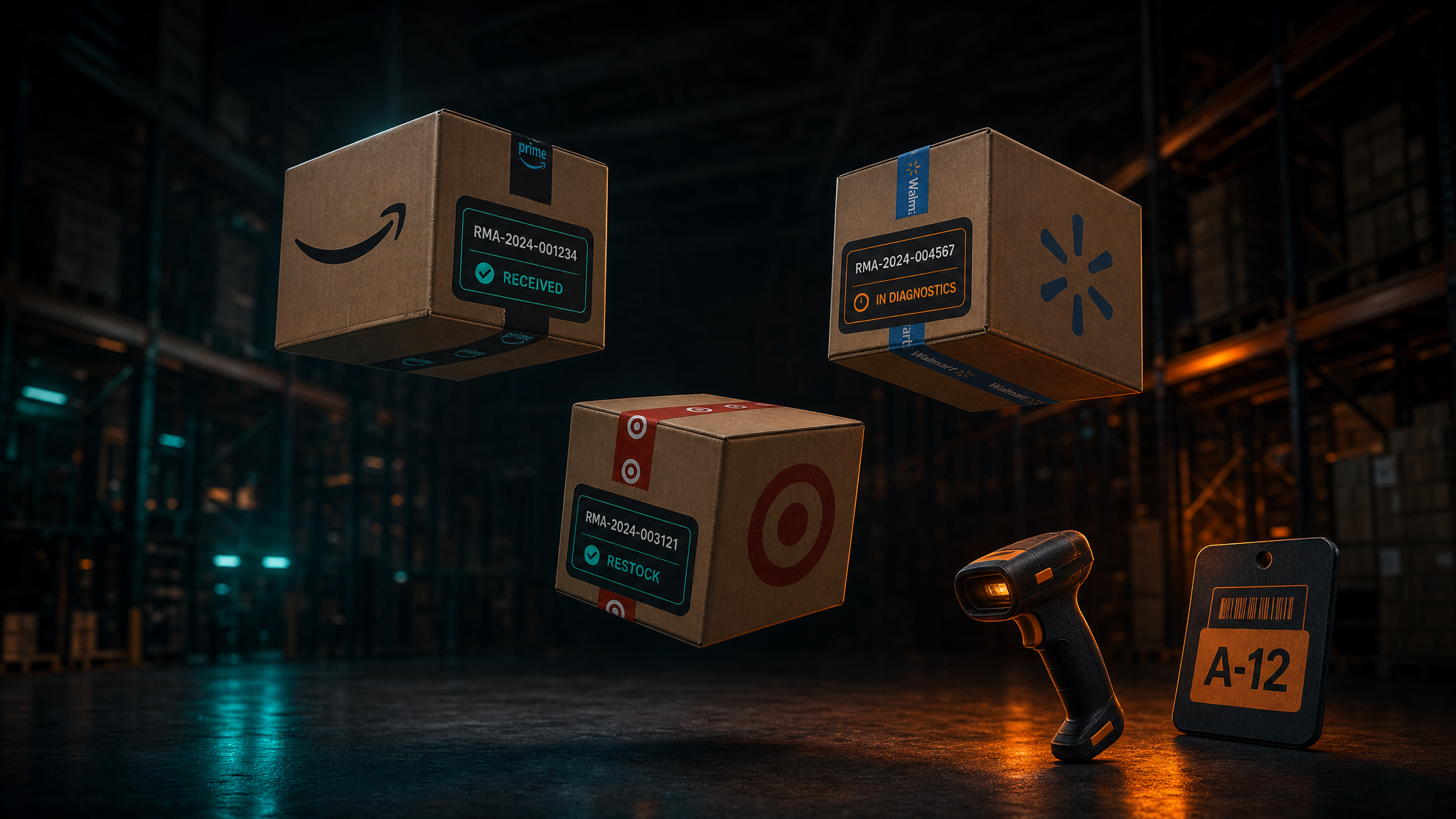
Staffing Platform – End-to-End Workforce Operations System for Facility Staffing
Customized Odoo-based workforce management product designed for high-volume healthcare and facility staffing, matching worker demand with open shifts and compliance rules.
Results
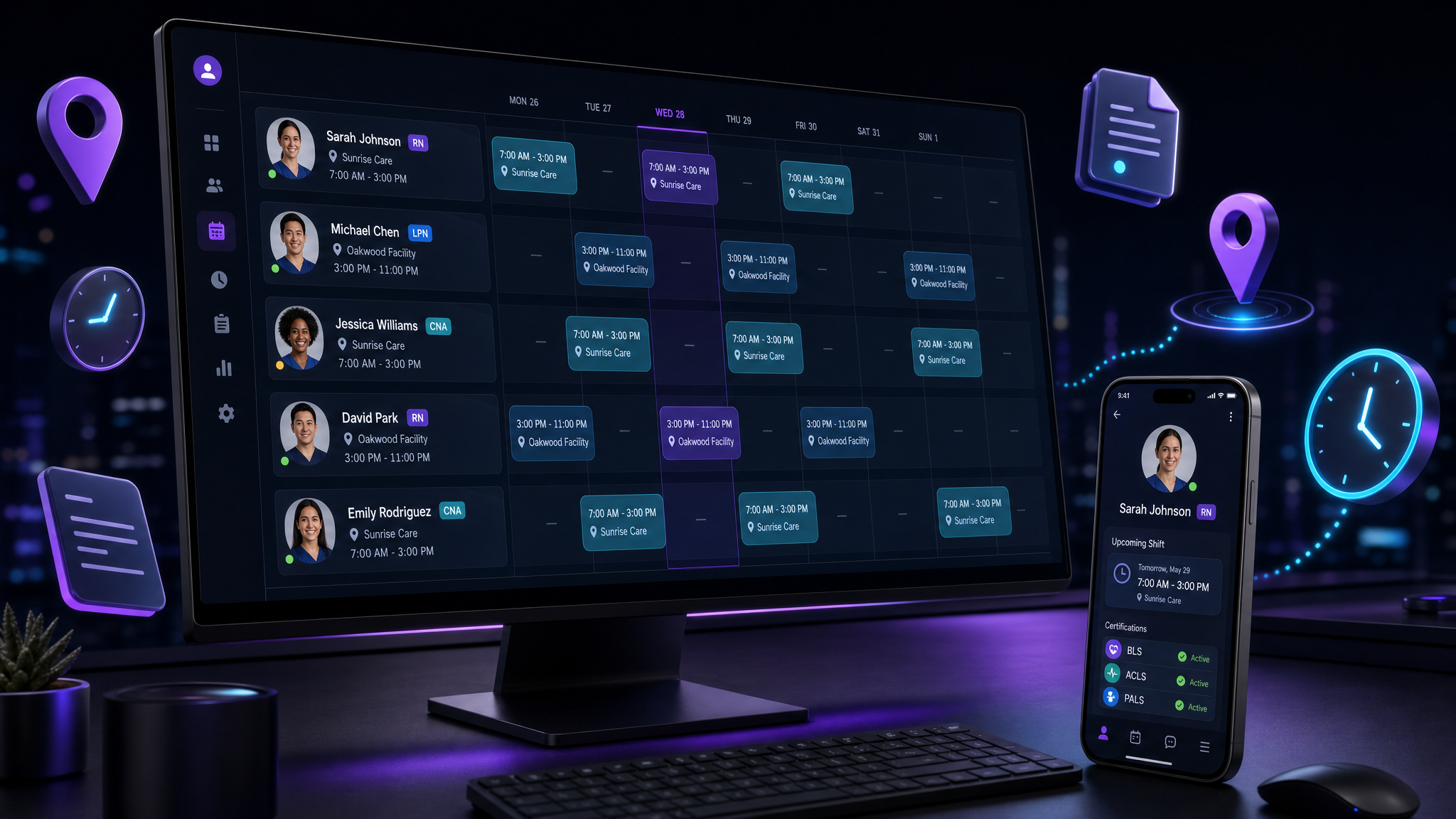
Returns Manager – Unified System for Inventory, Returns, and Vendor Operations
Centralized operations platform for e-commerce and wholesale businesses managing multi-channel returns, bin-based tracking, diagnostics, and vendor RTV workflows.
Results
Ez Cloud has built custom software and automation for e-commerce and marketplace businesses since 2013. We build systems that fit how you actually work.
Jacob Rottenberg
CEO & FOUNDER
Start Your Project
Tell us about your workflow and what needs to change. We’ll review your request and email you to discuss scope and next steps.